The Evolution of the Automobile: From Innovation to Industry
Introduction: The Rise of the Automobile
The automobile, commonly known as the car, has become an integral part of modern society, transforming the way people live, work, and travel. From the early inventions of steam-powered vehicles to the sleek, fuel-efficient machines of today, the history of the automobile is one of technological advancement and industrial revolution. Cars have evolved into complex systems of engineering that are constantly changing to meet the needs of society, the economy, and the environment.
The Birth of the Automobile
The journey of the automobile began in the late 19th century, when various inventors attempted to create vehicles that could move without the aid of horses. While there were many early models, it was Karl Benz’s creation of the Benz Patent-Motorwagen in 1885 that is often considered the first true automobile. This three-wheeled vehicle ran on gasoline and marked the start of an era that would revolutionize transportation.
Henry Ford later played a pivotal role in the mass production of cars with the introduction of the assembly line in 1913. This innovation made automobiles more affordable and accessible to the general public, drastically changing society by enabling people to travel greater distances in less time.
Types of Automobiles: From Sedans to SUVs
Today, automobiles come in a wide range of models and styles to suit different needs and preferences. Some of the most common types include:
- Sedans: These are the traditional family cars, known for their comfort, practicality, and fuel efficiency. Sedans are suitable for everyday use and are the most popular vehicle type worldwide.
- SUVs (Sport Utility Vehicles): These vehicles are larger, often with off-road capabilities. SUVs have gained immense popularity due to their spaciousness, power, and versatility, making them ideal for families and adventurous drivers alike.
- Coupes: Typically designed for two passengers, coupes are known for their sleek, sporty appearance. They are popular among those looking for a more stylish, performance-driven vehicle.
- Trucks: Pickup trucks are favored for their utility, especially in industries like construction and farming. Their large cargo space and towing power make them invaluable for heavy-duty tasks.
- Electric Vehicles (EVs): A growing trend in the automotive world, electric cars use electricity as a source of power rather than gasoline. With environmental concerns rising, EVs are increasingly seen as the future of transportation due to their lower emissions and greater energy efficiency.
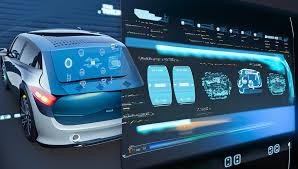
The Role of Technology in Shaping Modern Automobiles
Technology continues to play a major role in shaping the future of automobiles. From advanced safety features to innovative entertainment systems, modern cars are packed with cutting-edge technology. Some key innovations include:
- Autonomous Vehicles: Self-driving cars are one of the most significant developments in the automotive industry. Companies like Tesla and Google’s Waymo are investing heavily in autonomous driving technology, which could transform the way people commute, reduce accidents, and increase efficiency.
- Electric and Hybrid Powertrains: With a growing focus on sustainability, automakers are increasingly offering electric and hybrid vehicles. These vehicles produce fewer emissions and are less dependent on fossil fuels, offering an eco-friendly alternative to traditional gasoline-powered cars.
- Connected Cars: Modern cars are now equipped with technology that allows them to connect to the internet, offering features such as navigation, entertainment, and remote diagnostics. These connected cars enhance the driving experience by providing real-time information and improving safety.
The Environmental Impact and the Future of Automobiles
As the automotive industry continues to grow, so does its impact on the environment. The production and operation of traditional gasoline-powered vehicles contribute significantly to air pollution, climate change, and the depletion of natural resources. As a result, many governments and organizations are pushing for the adoption of greener alternatives, such as electric vehicles and sustainable manufacturing practices.
The future of automobiles seems to be heading toward sustainability, with automakers investing in electric vehicle technology, fuel-efficient engines, and sustainable materials. Additionally, autonomous vehicles could help reduce traffic congestion, lower fuel consumption, and improve road safety, making transportation more efficient and less harmful to the environment.
Conclusion: The Enduring Influence of Automobiles
The automobile has come a long way since its inception in the late 19th century. From its humble beginnings to its status as a technological marvel, the automobile continues to shape society in profound ways. As the industry evolves, so too will our relationship with cars, driving us toward a future that is more connected, sustainable, and efficient. Whether through the development of electric vehicles, the rise of autonomous driving, or advances in automotive technology, the automobile will remain a cornerstone of modern life.


