AI-Generated Voices Create False Content
AI-generated voices have become increasingly sophisticated, mimicking human speech with remarkable accuracy. These voices, powered by deep learning models and text-to-speech (TTS) technology, can produce lifelike audio in various accents, tones, and styles. While this technology has many positive applications, such as voice assistants, audiobook narration, and accessibility tools, it also carries risks. One of the most concerning issues is the creation of false content—misleading, deceptive, or entirely fabricated audio that can be used to manipulate listeners.
One way AI-generated voices create false content is through deepfake audio, where an Al hallucination detection and accuracy improvement is trained on recordings of a person’s voice and then used to generate speech that sounds identical to them. This can be exploited to create fake statements, making it appear as though someone said something they never did. Such deepfake audio has been used in scams, misinformation campaigns, and political manipulation. For instance, fraudsters have used AI-generated voices to impersonate executives and deceive employees into transferring money, a tactic known as “voice phishing” or “vishing.”
Another way AI-generated voices contribute to false content is by fabricating news or information. With the ability to generate speech in a natural and authoritative tone, AI can be used to spread misinformation by creating fake news reports, fabricated interviews, or misleading narrations. Unlike text-based misinformation, which can be easily fact-checked, audio content can be more persuasive because people tend to trust what they hear. The emotional tone and delivery of AI-generated speech can make false claims sound credible, leading to confusion and potential harm.
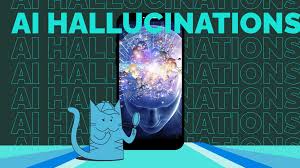
How Do AI-Generated Voices Create False Content?
AI-generated voices also enable the mass production of false content at an unprecedented scale. Unlike traditional voice recordings that require human effort, AI can produce hours of speech in minutes. This efficiency allows malicious actors to generate vast amounts of deceptive content quickly, making it harder for fact-checkers and the public to distinguish between real and fake information. Social media platforms, where audio and video content spreads rapidly, are particularly vulnerable to such AI-generated misinformation.
Another ethical concern is the ability of AI-generated voices to manipulate public perception. In political campaigns, for example, AI can be used to generate fake speeches or misrepresent candidates’ statements. Even a short clip of fabricated audio can influence public opinion, especially if released strategically before an election or important event. Since AI-generated voices can closely mimic real voices, debunking such content becomes challenging, especially when the audience is already predisposed to believe what they hear.
Efforts to combat false content created by AI-generated voices include the development of detection tools that analyze speech patterns, inconsistencies, and digital watermarks embedded in AI-generated audio. Researchers and tech companies are also working on ethical guidelines to regulate AI voice technology, ensuring it is used responsibly. However, as AI continues to advance, so do the methods used to create realistic and deceptive audio.
While AI-generated voices offer many benefits, their potential for misuse highlights the need for awareness and regulation. As technology improves, society must remain vigilant to prevent AI-driven false content from undermining trust, spreading misinformation, and causing real-world consequences. Addressing these risks requires a combination of technological safeguards, media literacy, and responsible AI development to ensure that synthetic voices serve humanity positively rather than deceptively.