Navigating the Evolving Landscape of Auto Industry Trends
The automotive industry is undergoing a period of unprecedented transformation, driven by technological advancements, shifting consumer preferences, and increasing environmental concerns. Keeping abreast of the latest auto industry trends is crucial for businesses and consumers alike. From electric vehicles and autonomous driving to connected car technologies and innovative ownership models, the changes are reshaping how we think about and interact with automobiles. This article delves into the key trends that are shaping the future of the automotive world.
The Rise of Electric Vehicles (EVs)
Perhaps the most prominent trend is the accelerating adoption of electric vehicles. Driven by stricter emissions regulations, government incentives, and growing consumer awareness of environmental issues, EVs are rapidly gaining market share. Battery technology is continuously improving, leading to increased range and reduced charging times, addressing some of the initial concerns about EVs. Major automakers are investing heavily in EV development and production, and a growing charging infrastructure is supporting the widespread adoption of EVs, paving the way for a cleaner and more sustainable transportation future.
Autonomous Driving: The Next Frontier
Self-driving technology, once considered science fiction, is rapidly becoming a reality. Automakers and technology companies are investing billions of dollars in developing autonomous driving systems, ranging from advanced driver-assistance systems (ADAS) to fully autonomous vehicles. These technologies promise to enhance safety, reduce traffic congestion, and improve accessibility for people with disabilities. While fully autonomous vehicles are still a few years away, the development of ADAS features, such as adaptive cruise control and lane-keeping assist, is gradually paving the way for a self-driving future.
Connected Cars: Data-Driven Mobility
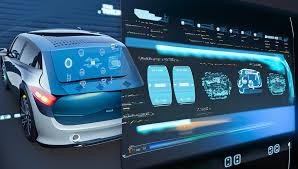
Connected car technology is revolutionizing the way we interact with our vehicles and the world around us. Modern vehicles are equipped with sensors, software, and connectivity features that enable them to communicate with other vehicles, infrastructure, and cloud-based services. This connectivity enables a wide range of features, including real-time traffic updates, over-the-air software updates, remote vehicle diagnostics, and personalized infotainment experiences. The data generated by connected cars is also being used to improve vehicle performance, enhance safety, and develop new mobility services.
The Subscription Model: Access Over Ownership
The traditional model of car ownership is being challenged by the emergence of subscription services. These services offer consumers access to a variety of vehicles for a monthly fee, covering insurance, maintenance, and other expenses. Car subscriptions offer flexibility and convenience, allowing users to switch between different vehicle types based on their needs and preferences. While still a relatively new concept, car subscriptions are gaining popularity, particularly among younger consumers who value access over ownership.
Software-Defined Vehicles: The Future of Automotive Innovation
The integration of software is becoming increasingly important in modern vehicles. Automakers are transforming cars into software-defined platforms, allowing for continuous updates, new features, and personalized experiences. This shift towards software-defined vehicles is enabling greater innovation and differentiation, as automakers can now rapidly develop and deploy new features and services without requiring hardware changes. The ability to update and improve vehicles over time is also extending the lifespan of vehicles and reducing the need for frequent replacements.
Sustainability and Green Technologies: Driving Environmental Responsibility
The automotive industry is under increasing pressure to reduce its environmental impact. In addition to electric vehicles, automakers are exploring other green technologies, such as hydrogen fuel cell vehicles, biofuels, and lightweight materials. They are also implementing more sustainable manufacturing processes and focusing on reducing waste and emissions throughout the entire vehicle lifecycle. The push for sustainability is driving innovation and leading to the development of more environmentally friendly and resource-efficient vehicles and technologies. These efforts are aligned with global initiatives to combat climate change and promote a cleaner, more sustainable future for the automotive industry.