What age group is a plastic toy gun suitable for?
Plastic toy guns are popular among children and often evoke nostalgia for adults who played with similar toys during their own childhood. However, the suitability of a plastic toy gun for different age groups depends on several factors, including the design of the toy, its safety features, and the maturity level of the child. In this article, we will explore the appropriate age group for plastic toy guns and highlight key considerations for parents and buyers when purchasing these toys.
Age Recommendations for Plastic Toy Guns
Plastic toy guns typically come with age recommendations provided by manufacturers, which serve as a useful guideline for determining whether a toy is appropriate for a particular age group. Most plastic toy gun are suitable for children ages 3 and up, but it is important to take note of any specific age restrictions or recommendations listed on the packaging. These recommendations are generally based on safety concerns, as younger children may be more prone to mishandling or accidentally injuring themselves with certain types of toy guns.
For children aged 3 to 5, simple plastic toy guns that do not involve complex mechanics or small detachable parts are usually the most suitable. These toys often feature soft plastic and have a non-threatening design to encourage imaginative play rather than mimic real firearms. Such toys are typically safe for young children, as they do not have projectiles or dangerous moving parts. Parents should ensure that these toys are free of sharp edges and any small components that could pose a choking hazard.
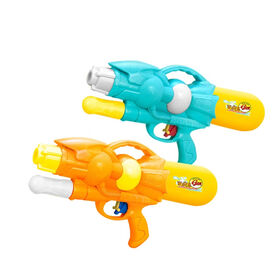
As children grow older, particularly from ages 6 to 10, they may be ready for plastic toy guns that offer more advanced features. These toys may include basic mechanisms such as spring-loaded triggers or foam darts, which simulate shooting action. At this age, children may enjoy engaging in pretend play or setting up target practice with their toy guns. It’s essential, however, to choose plastic toy guns with safety features such as brightly colored tips or non-realistic designs to distinguish them from actual firearms.
For older children and pre-teens (ages 10 and up), plastic toy guns may take on more sophisticated designs, such as blasters or replica guns that resemble real firearms. These toys may feature advanced functionality, including the ability to launch foam darts or perform other actions. However, it’s important to exercise caution with more realistic-looking toys. While they can be fun for role-playing and outdoor play, parents should ensure that children are well-versed in handling toy guns responsibly to avoid confusion with real weapons. Additionally, safety rules should always be in place to prevent misuse.
Safety Considerations and Parental Guidance
Regardless of the age group, safety is a top priority when selecting plastic toy guns. Even though these toys are designed to be harmless, mishandling or inappropriate use can result in accidents. Parents should ensure that children understand the rules for using their toy guns safely, such as never pointing them at others or using them in unsafe environments. In many cases, a brightly colored plastic toy gun, such as those featuring orange tips or non-threatening designs, helps minimize the risk of confusion with real firearms.
For parents considering purchasing plastic toy guns in bulk for events, parties, or even educational purposes, platforms like Global Sources provide an easy and reliable way to find wholesale plastic toy gun products at factory prices. By choosing reputable suppliers who offer high-quality products with verified safety standards, parents and businesses can ensure that the toys they purchase are suitable for children and meet all necessary legal and safety requirements.
Conclusion
Plastic toy guns are enjoyed by children across various age groups, but it is important to choose the right toy based on the child’s age, maturity, and safety needs. For younger children, simple, non-functional toy guns with no projectiles or complex mechanisms are best. Older children and pre-teens can handle more advanced toys with added features, but safety should always come first. Whether purchasing a single plastic toy gun for personal use or wholesale quantities for events or resale, it is essential to consider safety features and ensure that the toys are age-appropriate. By being thoughtful about the selection, parents can allow their children to enjoy imaginative play with these toys while minimizing any potential risks.